MUSTANG GTD
The Architecture of Virtual Performance
Virtual Production
Real-time Cinema
2025
Digital Sculpting
Where Digital Precision Meets Emotional Impact.
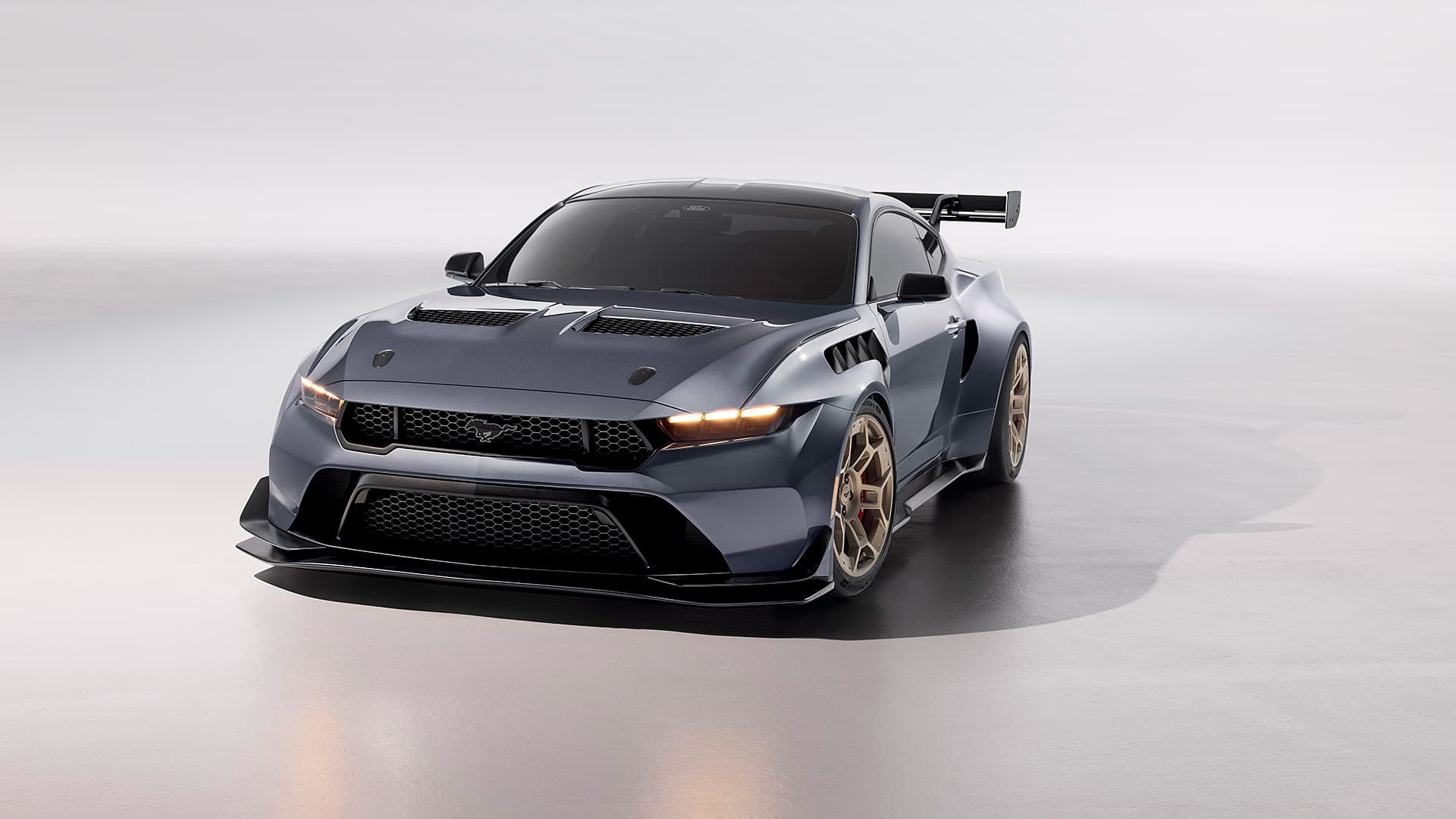
At KODA, we believe that high-end visualization is more than just marketing—it is the ultimate bridge between rigorous engineering and human desire. The Mustang GTD project is our flagship case study in 'Virtual Surface Engineering.' It demonstrates how we translate complex CAD data into photorealistic digital twins that serve as both design verification tools and high-conversion marketing assets.
CLASS-A
TOPOLOGY.
For the Experts
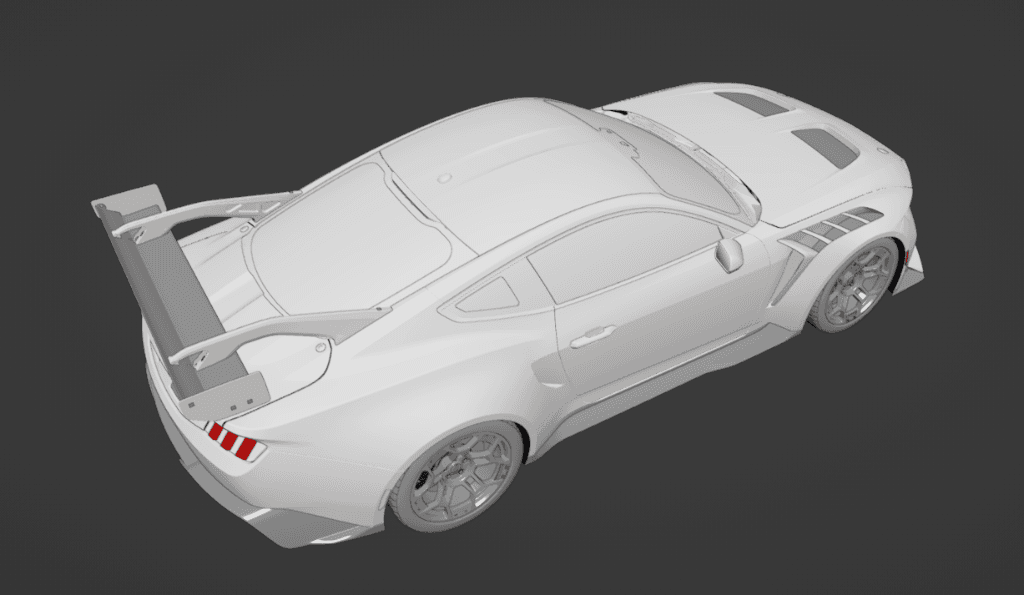
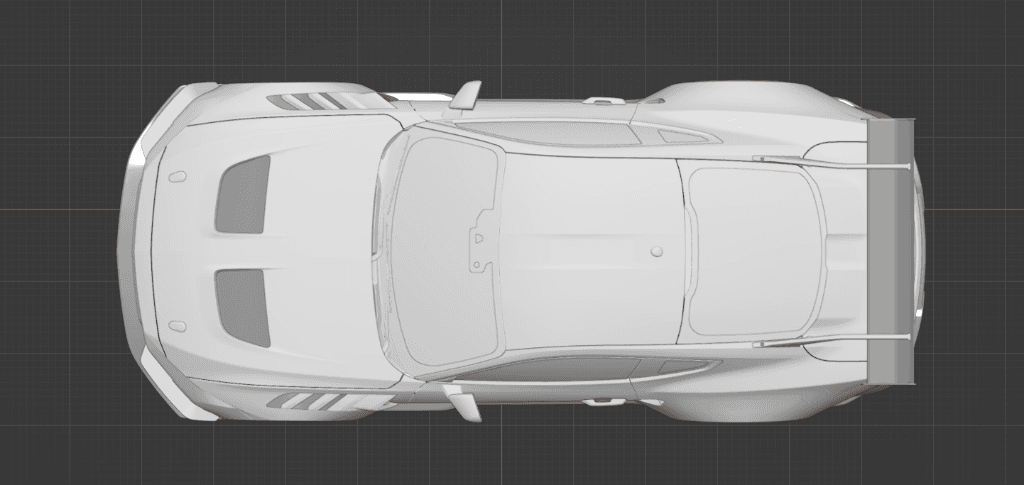
Translating NURBS-based CAD data into real-time polygonal meshes requires absolute G2+ surface continuity. We utilized a custom retopology workflow to ensure that light travels across the carbon-fiber bodywork without a single 'pinch' or 'warped' reflection—maintaining the vehicle's design integrity at 60fps.
In Simple Terms
Think of this as high-tech 'Digital Sanding.' Just as a craftsman polishes a real car to a mirror finish, we meticulously build the 3D surface so that every reflection looks liquid and natural. If the digital foundation is flawed, the final render will never feel 'real.'
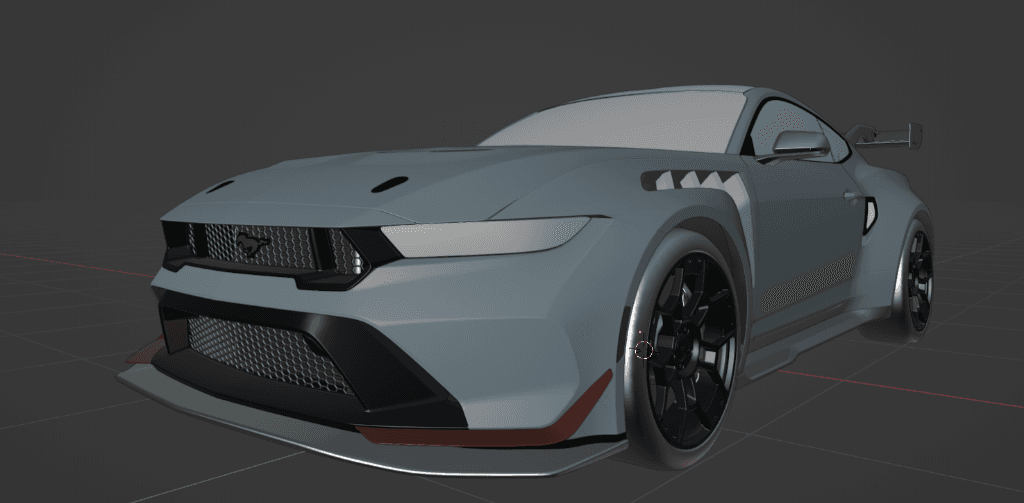
Simulated Reality.
Interact with the digital twin. This is the exact mesh density used in Assetto Corsa, tuned for ultra-realism without sacrificing performance.
Rotate • Zoom • Inspect
Built for Virtual Asphalt
Beyond
Beauty.
High-fidelity 3D assets are a force-multiplier for automotive and architectural brands. We don't just create images; we create reusable business assets.
Agile Marketing
Create cinematic content before the physical product exists. Reduce time-to-market by up to 40%.
Design Validation
Test colors, materials, and lighting in life-like environments. Identify design flaws instantly.
Interactive Configs
The same high-detail model used for renders can power web-based car configurators.
Unlimited Scale
One digital asset for social media, print billboards, and national TV commercials.
Structural
Integrity.
A breakdown of the raw geometry used
to simulate airflow and reflection accuracy.